Labour Party Faces Backlash Over Immigration Policies
Following significant losses in local elections, the UK’s Labour Party is under pressure to revise its immigration stance, particularly concerning international students and asylum seekers.
Election Losses Prompt Policy Reevaluation
The Labour Party lost 199 councillors and key councils like Durham and Doncaster to Reform UK, led by Nigel Farage. Critics within Labour argue that policies like cuts to the Winter Fuel Allowance and a perceived soft stance on immigration have alienated core working-class voters.
Lord Maurice Glasman urges a return to traditional Labour values, tougher immigration policies—including withdrawal from the ECHR—and stronger national defense. MPs are also pushing for restoring benefits and implementing a clear industrial strategy.
”Return to traditional Labour values, tougher immigration policies—including withdrawal from the ECHR—and stronger national defense..“
— Lord Maurice Glasman
Targeting International Students’ Asylum Claims
A forthcoming immigration white paper proposes measures to curb the number of student visa holders switching to asylum claims. In 2024, over 16,000 of the 108,000 asylum claims were from international students. The proposed changes will also make it harder for international students to take up low-wage jobs post-graduation.
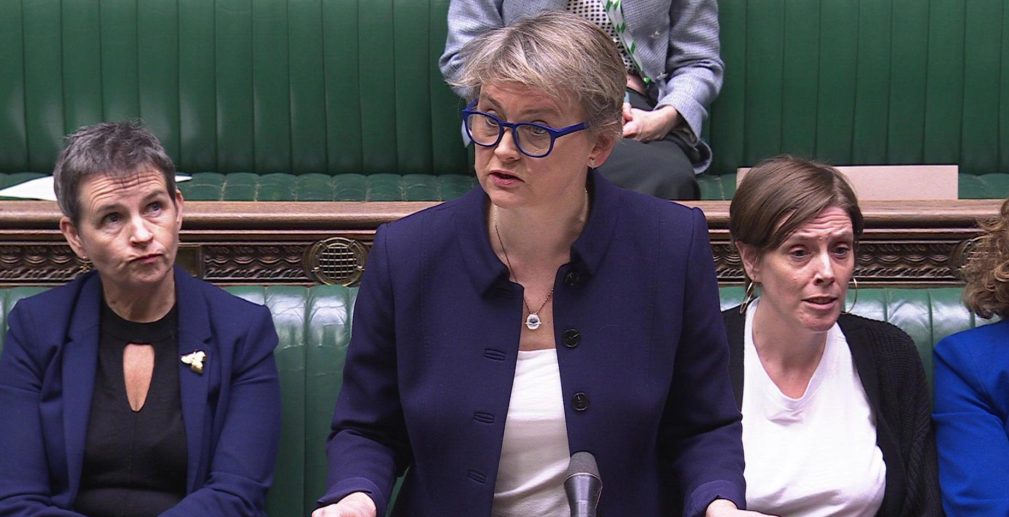
Home Secretary Yvette Cooper emphasized that some applicants exploit the system by claiming self-sufficiency and later seeking asylum.
Internal Party Divisions and Public Response
Labour MPs are divided on the response to electoral setbacks, with some urging tougher stances akin to former U.S. President Trump, while others caution against rightward shifts that could alienate core supporters.
Keir Starmer acknowledged public frustrations but denied using traditional excuses. Meanwhile, opposition voices like Liberal Democrat leader Ed Davey criticized Labour’s strategy as a capitulation to populist rhetoric.
Future Policy Directions
The government plans to unveil an immigration white paper aiming to prioritize British workers. The situation is portrayed as an existential crisis for Labour, with calls for decisive action to counter the rise of Reform UK and reconnect with disillusioned voters.